Bristol LHS - NDL 769G
A rare and iconic Bristol LHS, uniquely tied to Newton Aycliffe’s transport history
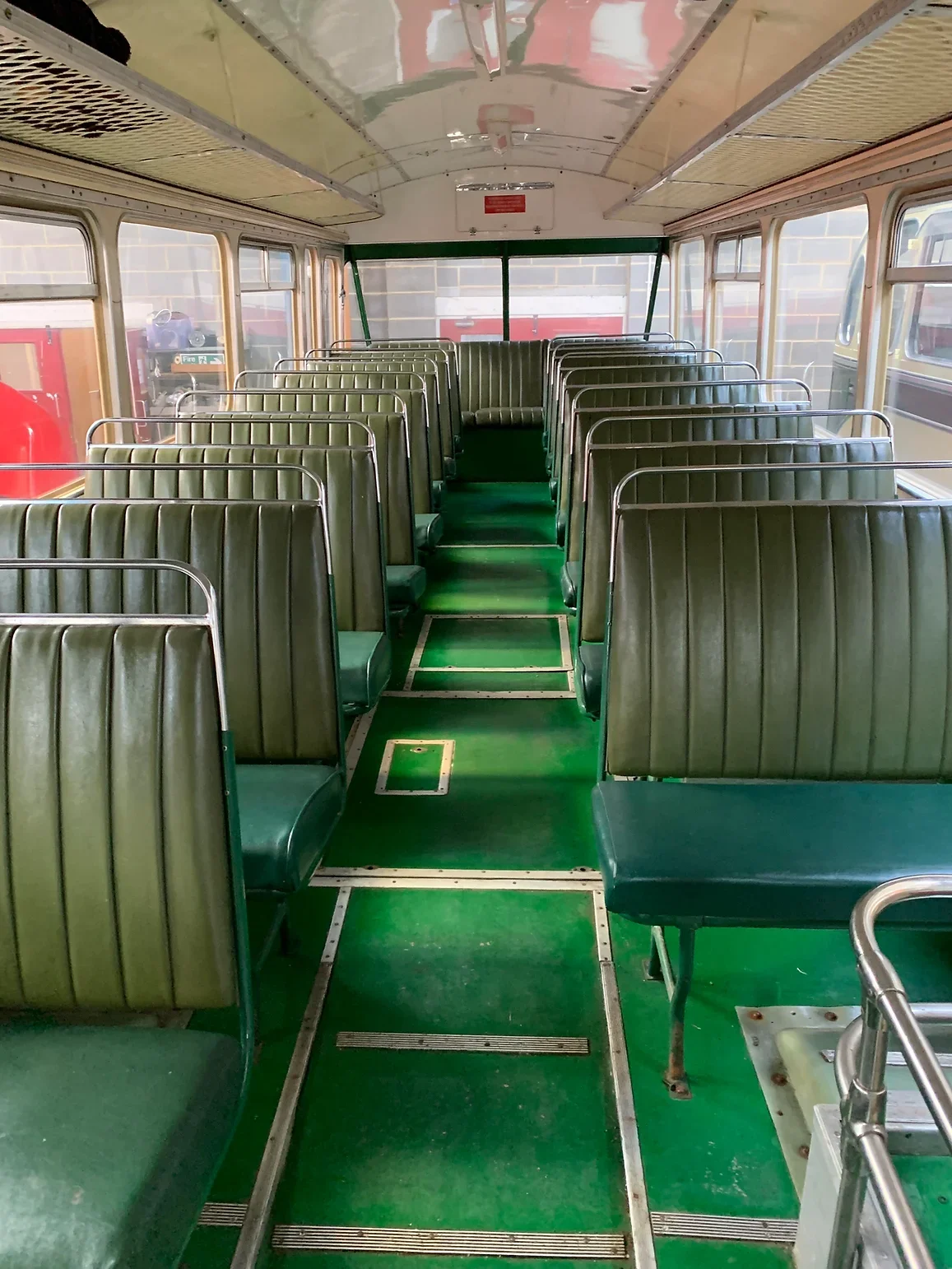
The Bristol LHS "Newtonian" is one of the most distinctive vehicles in the Aycliffe Bus Museum collection — not only for its unique design but also for its strong historical ties to the local area. This particular bus was first registered in 1969by Southern Vectis, the bus operator serving the Isle of Wight. After a number of years in service, it eventually found its way to the North East and finished its working life with United Automobile Services, operating until 1984.
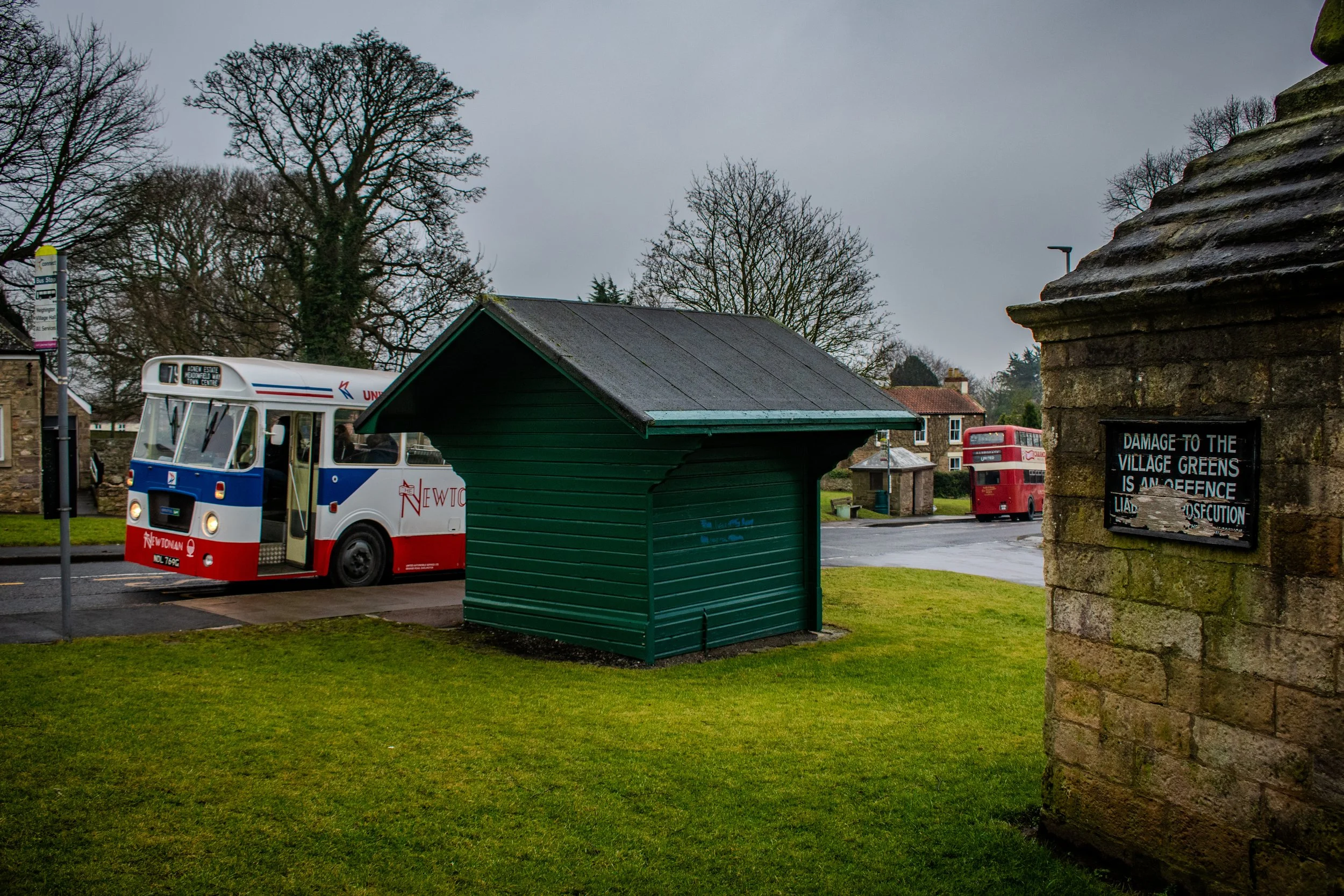
What makes this vehicle especially significant to the Aycliffe & District Bus Preservation Society is its association with the Newtonian Service, which ran between 1981 and 1984. This service was a precursor to the later Roadranger routes, providing important local links within Newton Aycliffe and surrounding areas. The bus played an active role during this period, serving as a workhorse for public transport in a town still developing its modern identity.
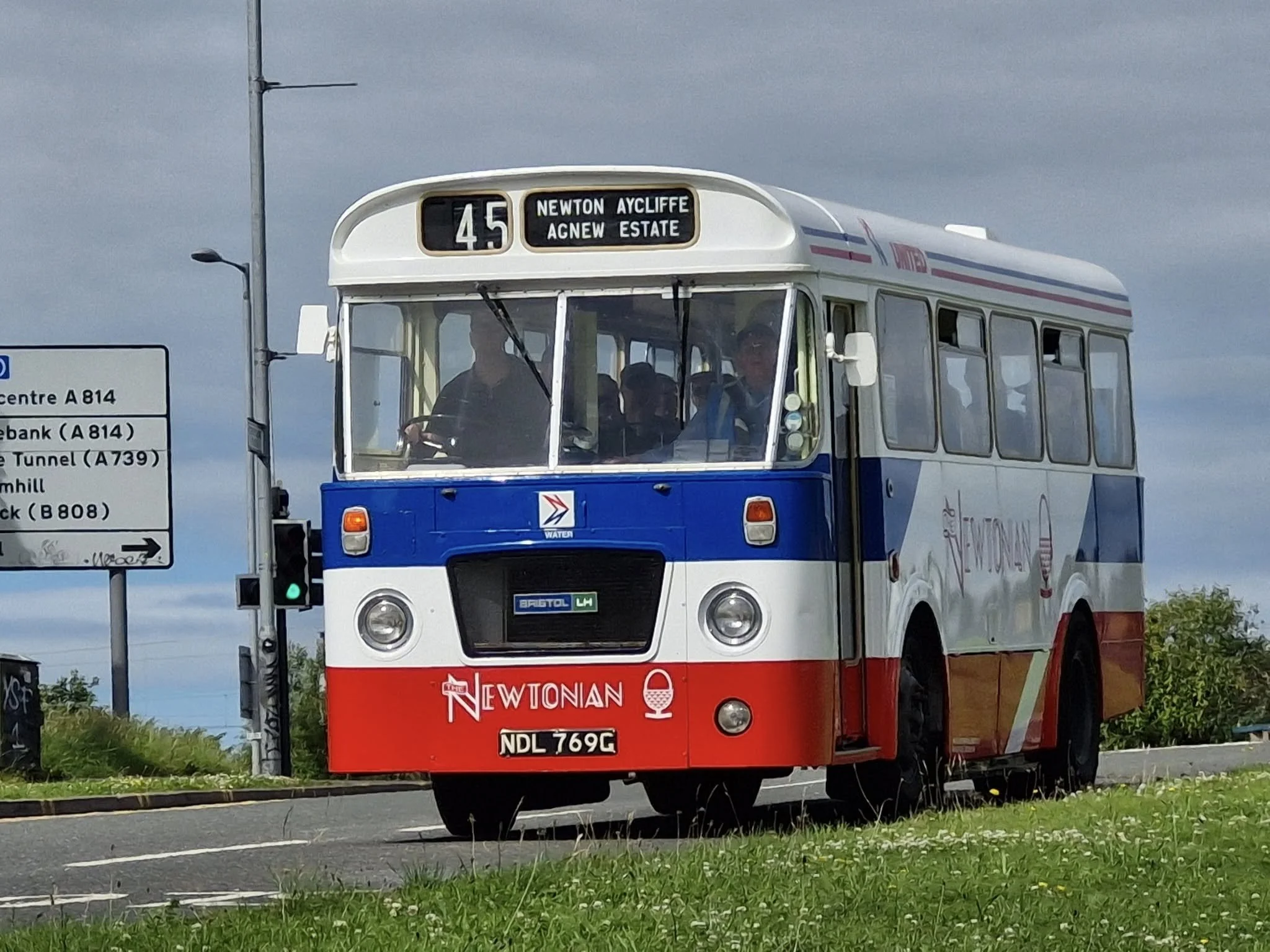
Following its retirement from service, the bus was acquired by the Society in 1984. At that time, it was restored to its original United livery, preserving its final appearance as it would have looked on North East roads. However, in 1998, the vehicle underwent a further transformation when it was repainted into "Newtonian" livery to mark a special occasion — the 50th anniversary of the founding of the new town of Newton Aycliffe. This livery not only honours the vehicle’s service history but also celebrates the close relationship between the bus and the town it once served.
One of the most unusual aspects of this Bristol LHS is its bodywork, designed and constructed by Marshalls of Cambridge. While Marshall is best known for producing specialist vehicles and aircraft conversions, their work on this bus resulted in a body style that stands out among others from the same period. The sleek yet functional design was ideally suited to local and rural routes, providing both durability and character.
Mechanically, the vehicle is built on a Bristol LHS chassis and is powered by a Leyland 401 engine, a 6½ litre unit producing 120 brake horsepower. Fuel efficiency was respectable for its time, with the bus returning between 12 to 14 miles per gallon. The engine is paired with a 5-speed manual gearbox, a feature that, along with its heavy steering and manual gear changes, gave it a reputation for being somewhat demanding to drive — especially compared to more modern equivalents. The suspension is often described by those who’ve driven it as “bouncy,” adding to its character and the unique driving experience.
Despite these quirks, the bus remains in exceptionally good condition, and many regular drivers of LH-series vehicleshave complimented its performance and upkeep. It stands today not just as a preserved piece of machinery but as a testament to the skill of our volunteer team, who continue to maintain and showcase it as part of our working heritage fleet.
With a seating capacity of 35, the vehicle measures 26 feet 4 inches in length, 7 feet 6 inches in width, and 9 feet 10 inches in height — making it ideally suited for narrower rural roads and smaller communities like those in and around Newton Aycliffe.
Today, the Bristol LHS "Newtonian" continues to be a crowd favourite at open days and heritage events. It embodies not only the technical history of British bus engineering but also tells a uniquely local story about a town and its connection to public transport. Preserved with care and pride, it remains a moving piece of North East history — literally and figuratively.
Vehicle Specification – Bristol LHS "Newtonian"
Chassis: Bristol LHS
Bodywork: Marshall of Cambridge
Seating Capacity: 35 passengers
Length: 26 ft 4 in (8.03 metres)
Width: 7 ft 6 in (2.29 metres)
Height: 9 ft 10 in (3.00 metres)
Engine: Leyland 401
Displacement: 6.5 litres
Power Output: 120 bhp
Fuel Efficiency: Approximately 12–14 miles per gallon
Transmission: 5-speed manual gearbox
Notable Features:
Unique body design by specialist coachbuilders Marshall
Known for heavy steering and bouncy suspension
Manual gear change system typical of the era