Leyland National - MHN 131W
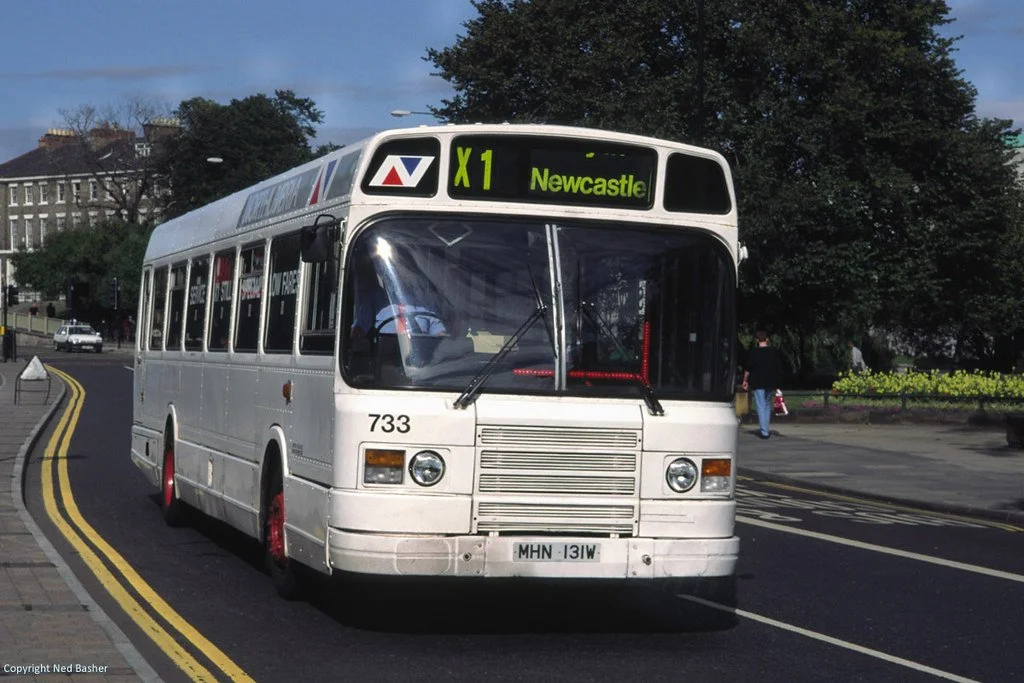
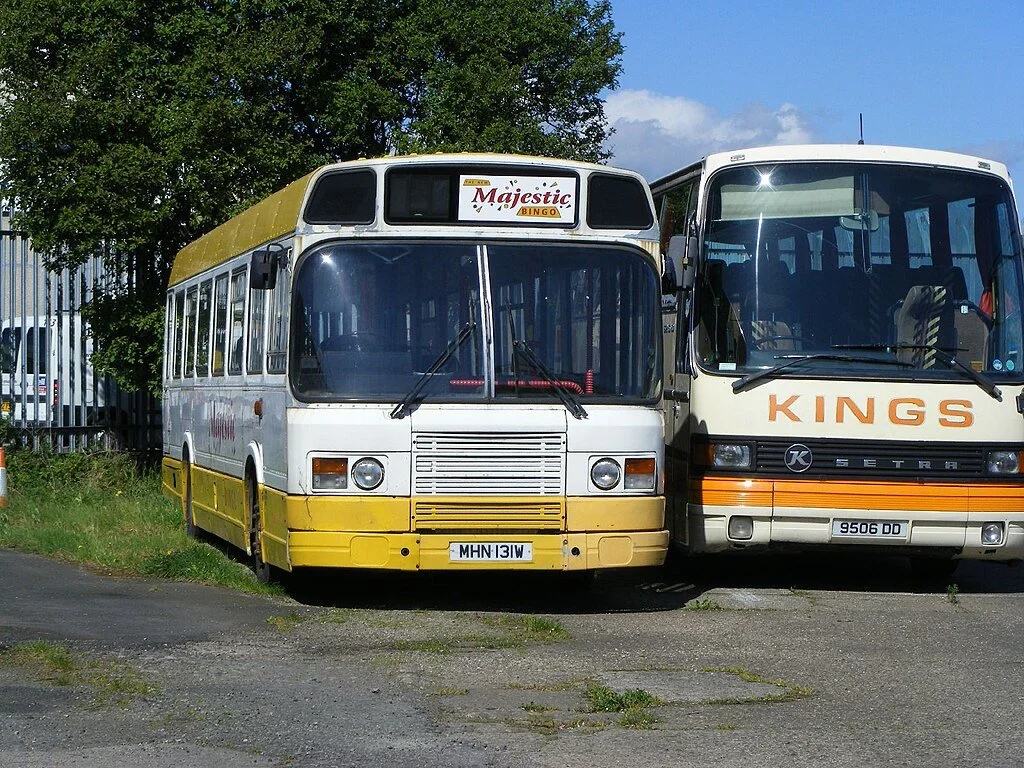
From the Streets of Newcastle, to the Kings Bingo Runs, MHN 131W has been everywhere!
The Leyland National was a pioneering integral single-deck bus produced between 1972 and 1985 by Leyland at the Lillyhall factory in Workington. The Mk II version, introduced in 1979, featured significant design updates, including a more rounded front end with a front-mounted radiator, giving it a distinctive bulging nose, alongside improvements to the engine and body layout compared with the earlier Mk I model. These updates marked a substantial shift in British single-deck bus design and contributed to the widespread use of the Leyland National across the UK.
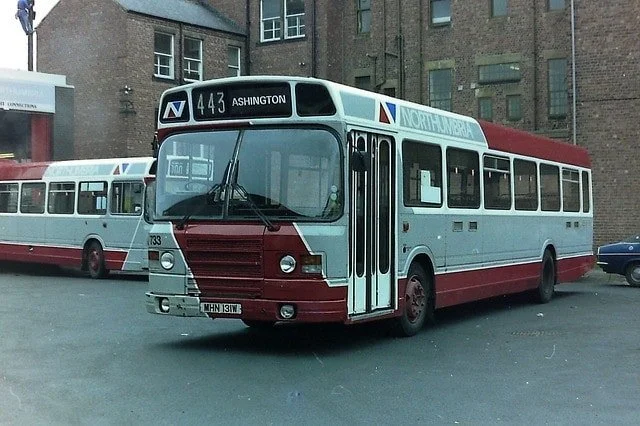
MHN 131W was delivered new in 1981, entering service with United Automobile Services where it carried fleet number 3733. It later transferred to Northumbria Motor Services, which renumbered the vehicle as 733. Following its time with Northumbria, the bus changed hands again and became part of Kings Coaches. During this period, it was used on a long-term contract for a bingo company and carried the “Majestic Bingo bus” livery, reflecting the versatility and continued service life of the Leyland National.
On 6 February 2012, MHN 131W was purchased from Kings Coaches by the Aycliffe & District Bus Preservation Society for preservation. Since joining the Society’s collection, restoration work has been underway, including repainting the front of the bus into the original “Northumbria” colours, highlighting the Society’s aim to return the vehicle to a historically accurate condition.
As a preserved example of the Leyland National Mk II, MHN 131W represents more than just a vehicle. It is a tangible piece of North East transport heritage, having served multiple operators and played a role in the daily lives of passengers for decades. Through its restoration and display, the bus helps tell the broader story of UK public transport — from evolving vehicle design to changing operators and the social history of bus travel. MHN 131W stands today not only as an example of a durable and innovative bus design but also as a symbol of regional pride and the dedication of preservation societies in keeping transport history alive.