
Britains first black bus driver
At Aycliffe Bus Museum, we pride ourselves with the diversity and inclusivity that this country brings and as it is Black History Month, we are learning and celebrating about the history and heritage of bus drivers from ethnic minority communities.
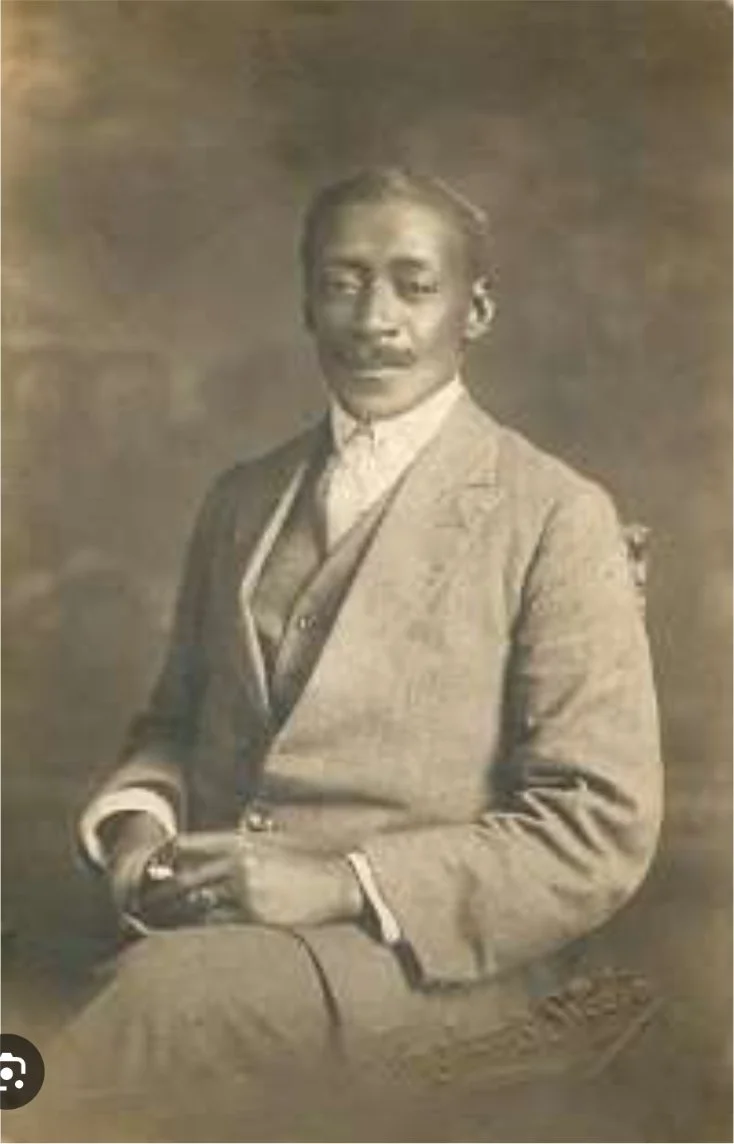
In this publication, we are talking about Britain’s first black bus driver, and his name is Joseph Clough. Joseph was born in Kingston, Jamaica and in 1887 he was orphaned when he was a young boy. At a young age Joseph began working for a Scottish Doctor named Dr R C White and he was employed to look after look after Dr White’s polo ponies. Dr White asked Joseph if he wanted to live in England with him and be a servant. Joseph replied,“I’d would like that very much”. In 1906, Joseph emigrated to the UK from Jamaica, and he drove Dr White around London using horse and coach. Dr White had a fascination with the development of the motor car so Joseph learnt to drive a car and became a chauffeur for Dr White.
In 1910, Joseph applied to work for London General Omnibus Company (L.G.O.C) and became a spare driver. Joseph past his bus driving test, nowadays PSV licence test and he began driving number 11 B Type bus, the first mass produced bus. He drove on this service between Liverpool Street and Wormwood Scrubs. History was made and Joseph Clough became London’s first black bus driver.
His colleagues at L.G.O.C were very respectful towards him, and he was described as very friendly person to work with. Joseph was wrongly suspended for a speeding ticket by a racist official however, Joseph was quickly reinstated due to his excellent driving record and good character.
Joseph continued working for L.G.O.C just before the First World War, when he moved to Bedfordshire to marry his wife Margaret Millicent, a Scottish domestic servant. Joseph continued to work as a bus driver on routes between St Neots in Cambridgeshire and Bedford.
During the First World War Joseph volunteered for Army Service Corps and drove an ambulance in the battlefield, largely in the Western Front in northern France and Belgium.
Joseph was admired by his comrades and at every act of remembrance he would drive his bus covered in poppies remembering his fallen comrades and the people he served with. What a hero he was.
After the war, Joseph returned to bus driving working for the National Omnibus Company later named Eastern National Omnibus Company in Bedford.
Later in life, Joseph worked as a truck driver and then a Taxi driver till 1968 retiring at the age of 82. Joseph died in 1976 aged 89 years of age. Joseph was a well-respected bus driver and had a passion for his customers and colleagues he worked with. He also had the respect and admiration from his comrades that he served with during the First World War.
Joseph Clough is Britain’s first black bus driver, and it is a history that we should celebrate for future generations to come.
B – Type Bus Facts
B-type buses were built in Walthamstow and replaced the X-type bus. It had a 34-seat capacity and is often considered to be the first mass-produced bus.[1] The first bus began carrying passengers in 1911.[2][3] By 1913 over 2500 had been built.[3]
The B-type was designed by Frank Searle, who was chief engineer of the LGOC. It had a wooden frame, steel wheels, a worm drive and chain gearbox. Its top speed was 16 miles per hour (26 km/h), which was above the legal speed limit at that time of 12 miles per hour (19 km/h). However the vehicle could reach 30–35 miles per hour (48–56 km/h) under the right conditions.[4]
B-types carried 16 passengers inside and had seats for 18 on the uncovered top deck. These outside seats were fitted with wet-weather canvas covers. Electric lighting was introduced from 1912, and headlights in 1913. Before this, it was thought that interior lighting would render the bus sufficiently visible at night.
Written by Gavin Dobson, Inclusion Officer, Aycliffe and District Bus Preservation Society